Why Majestic Deck Builders Austin Delivers Quality Craftsmanship
Eco-Conscious Deck Builders: Green Solutions for Your Outdoor Areas
Environmentally conscious deck builders are transforming outdoor areas with green practices. They prioritize materials that lessen ecological impact, like bamboo and salvaged wood. Their projects frequently incorporate energy-saving components, fostering harmony with the natural environment. However, the decision to choose these builders involves more than just aesthetics. Grasping the genuine advantages and considerations of sustainable decking enables a better-informed decision. What elements should be weighed before undertaking this investment?
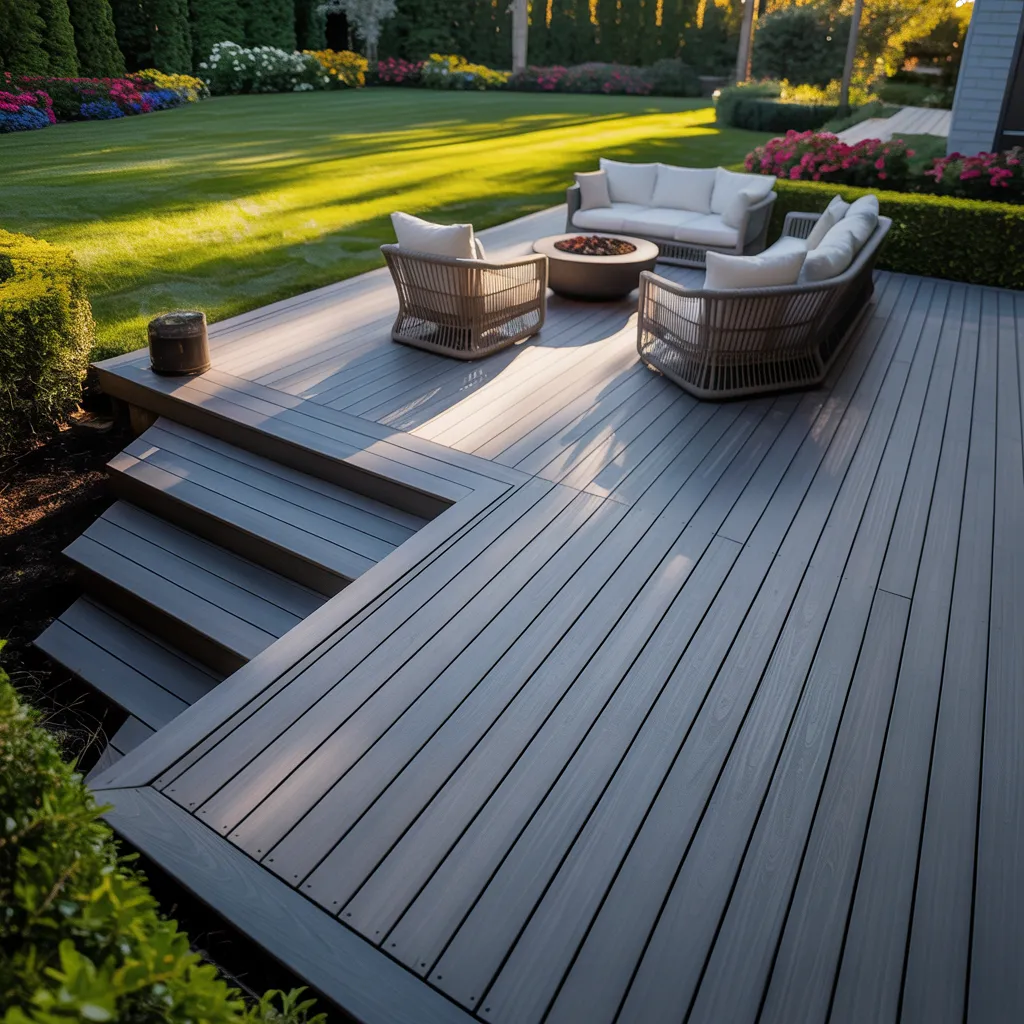
The Benefits of Choosing Eco-Friendly Deck Builders
Opting for eco-friendly deck builders can greatly impact the environment and the overall experience of the homeowner, as such professionals focus on environmentally responsible materials and techniques. By opting for builders committed to eco-friendly solutions, homeowners help minimize their environmental impact. Such builders frequently make use of renewable materials, guaranteeing that the materials are ethically sourced and carry a reduced environmental footprint.
Moreover, eco-friendly deck builders have expertise in efficient energy-conscious designs, which can elevate outdoor spaces while supporting environmental responsibility. They regularly adopt waste-reduction practices during construction, additionally reinforcing environmental conservation. Home and property owners receive value beyond aesthetically pleasing decks but also from improved overall durability and lower maintenance costs associated with sustainable materials.
Ultimately, selecting eco-friendly deck builders cultivates a harmonious connection with the natural world and aligns homeowners with a growing movement focused on sustainability. This choice reflects a commitment to responsible living, establishing it as a prudent investment for both personal fulfillment and environmental guardianship.
Discovering Eco-Friendly Choices for Constructing Decks
An extensive selection of sustainable materials is available for deck construction, each offering unique benefits that appeal to environmentally conscious homeowners. Bamboo, known for its rapid growth and renewability, acts as a durable, lightweight choice. Reclaimed wood, recovered from existing buildings, minimizes waste and provides a rustic charm. Composite materials, generally composed of recycled plastic and wood components, provide long-lasting performance with minimal upkeep compared to traditional wood. Furthermore, ethically obtained hardwoods, endorsed by bodies like the Forest Stewardship Council, guarantee responsible forestry practices.
An additional option is environmentally friendly concrete, which can incorporate reclaimed aggregates, lowering the carbon footprint. Additionally, natural stone offers a durable, visually appealing choice that blends seamlessly with outdoor settings. By opting for these eco-conscious materials, residents not only improve the visual appeal of their outdoor spaces but also support efforts to preserve the environment.
How to Create an Eco-Friendly Deck
Developing an green deck entails mindful selection of eco-conscious materials and energy-saving elements. By prioritizing resources that minimize environmental impact, builders can develop spaces that merge effortlessly with the environment. In addition, embedding design elements that enhance energy efficiency contributes to a more environmentally responsible outdoor space.
Eco-Friendly Material Selections
Although many homeowners prioritize visual appeal in their outdoor areas, including sustainable material options is crucial for designing an eco-friendly deck. Opting for materials like reclaimed wood, bamboo, or composite decking made from recycled plastics can greatly reduce environmental impact. These choices not only minimize deforestation but also decrease landfill waste. Moreover, opting for sustainably sourced or certified woods promotes responsible harvesting practices. Homeowners might also evaluate permeable materials for decking, which enhance water drainage and minimize runoff. Utilizing local materials can further decrease the carbon footprint connected to transportation. By emphasizing these sustainable choices, homeowners can create outdoor spaces that align with nature while encouraging ecological stewardship.
Energy-Efficient Design Features
Integrating eco-conscious design elements is crucial for building an eco-friendly deck that maximizes sustainability. Builders can boost natural ventilation by strategically placing openings and using materials that allow for air circulation. Utilizing shading elements, such as awnings or pergolas, decreases heat absorption, ensuring the deck remains comfortable in summer months. Additionally, integrating solar-powered lighting can minimize electricity use while providing ambiance. Choosing lighter colors for the deck surface can deflect solar rays, additionally reducing heat retention. Rainwater harvesting solutions can also be incorporated to manage runoff and irrigate surrounding plants. By focusing on these energy-efficient features, contractors not only establish a useful exterior space but also benefit the surrounding ecosystem. This strategy ultimately fosters a harmonious balance between aesthetics and sustainability.
Energy-Saving Techniques in Deck Building
A growing number of builders are actively implementing sustainable approaches in deck fabrication to lessen environmental harm and improve green standards. This transition involves incorporating sustainable materials like bamboo and salvaged timber, which significantly lower the carbon emissions linked to conventional timber. Moreover, contractors are applying sophisticated building methods that optimize insulation and reduce energy loss, creating more comfortable outdoor spaces.
Solar-powered lighting solutions are also becoming popular, allowing decks to be illuminated without drawing from nonrenewable energy sources. Additionally, a growing number of builders are utilizing permeable materials in decking to optimize water drainage and limit runoff, supporting local ecosystems.
Ultimately, the application of low-emission VOC finishes assures that hazardous emissions are significantly reduced, supporting more wholesome outdoor settings. Via these techniques, decking professionals are not only resolving current ecological challenges but also establishing a foundation for a more eco-friendly future in outdoor building development.
Assessing Eco-Friendly Deck Builders?
How can homeowners effectively evaluate eco-friendly deck builders? First, they should seek builders with certifications in sustainable practices, like those awarded by the Forest Stewardship Council or related environmental organizations. This indicates a commitment to environmentally responsible materials and methods. Homeowners may also explore the builder's portfolio to find completed projects that highlight a focus on sustainability, particularly those featuring the use of salvaged wood or composite materials sourced from recycled materials.
Furthermore, feedback and testimonials from past clients can shed light on the builder's reliability and adherence to eco-friendly principles. Speaking directly with potential builders gives homeowners the opportunity to ask about their material sourcing methods and waste reduction approaches. In addition, comparing multiple quotes can help assess the overall value while making certain that sustainable methods remain a priority. By following these steps, homeowners can successfully identify a deck builder who shares their commitment to sustainability.
Price of Eco-Friendly Decks
The price of eco-friendly decks can differ significantly depending on the materials used, design choices, and labor involved. Environmentally friendly materials, including composite products, bamboo, or reclaimed wood, often come at a premium when measured against standard materials. To illustrate, even though pressure-treated lumber is often cheaper, green alternatives may necessitate a larger initial expenditure but offer long-term benefits, including durability and reduced environmental impact.
Design features also affect the overall cost, with elaborate configurations or upgrades raising the overall price. Labor costs can fluctuate depending on the difficulty of the build and the experience of the construction team. Homeowners should consider not only the upfront costs but also the potential savings on maintenance and energy efficiency over time. All things considered, investing in an eco-friendly deck can yield both green benefits and cost efficiencies, positioning it as a smart decision for a wide range of homeowners.
Upkeep Guidelines for Eco-Friendly Decks
Regular maintenance is essential for guaranteeing the longevity and beauty of sustainable decks. Property owners should conduct regular inspections to detect any indicators of deterioration, such as loose boards or surface cracking. Maintaining a regular deck cleaning schedule with a mild soap and water solution assists in clearing away grime and organic matter that can contribute to the growth of mold or mildew. For timber decks, applying a natural finish or sealant every few years can guard against environmental damage and improve the wood's natural beauty.
It is also advisable to avoid using harsh chemicals, as they can harm the environment and degrade the materials. Furthermore, keeping plants and foliage trimmed back prevents moisture retention and minimizes pest infestations. By following these maintenance guidelines, homeowners can ensure their eco-friendly decks stay functional and attractive while reducing their environmental footprint. Regular care not only prolongs the deck's life but also contributes to a healthier outdoor space.
Upgrading Your Outdoor Living Space: Practical Examples
While many homeowners seek to enhance their outdoor spaces, real-life examples of eco-friendly deck transformations illustrate the potential for beauty and sustainability. One remarkable example featured a couple in a residential community who replaced their traditional wooden deck with composite materials made from recycled plastics. This change not only reduced their environmental footprint but similar article also provided a long-lasting, low-maintenance solution.
A further illustration features a family that included permeable pavers and native plants into their deck layout, facilitating enhanced stormwater management and supporting regional biodiversity.
In city environments, a rooftop deck featuring solar panels and reclaimed wood exemplifies how eco-conscious design can harmonize with contemporary style, offering a tranquil escape within the urban landscape.
These transformations showcase how intentional design choices can lead to outdoor spaces that are visually stunning while remaining eco-friendly, proving that sustainability is achievable without sacrificing style.

Frequently Asked Questions
What Credentials Should Environmentally Conscious Deck Builders Possess?
Sustainable deck construction professionals ought to possess certifications such as LEED, FSC, or SFI. These credentials indicate adherence to environmentally responsible approaches, conscientious material sourcing, and focus on reducing ecological footprint across building and design operations.
Are There Eco-Friendly Options for Deck Lighting?
Yes, eco-friendly options for deck lighting include solar-powered fixtures, LED lights, and energy-efficient designs. By reducing energy consumption and dependence on non-renewable resources, these options serve as sustainable choices for outdoor illumination.
How Long Do Sustainable Materials Last Compared to Traditional Ones?
Green materials commonly endure as long as, or surpass, standard choices when correctly maintained. Elements like environmental conditions and material grade affect lifespan, making thoughtful selection critical for strength and performance across the long term.
Can I Use Recycled Materials for My Deck?
Indeed, recycled materials serve as an excellent choice for decking. Typically crafted from reclaimed wood or plastic, these materials provide durability along with environmental advantages, serving as an eco-friendly substitute for traditional decking while preserving aesthetic charm.
What Are the Ecological Benefits of Selecting an Eco-Friendly Deck?
Choosing an eco-friendly deck encourages sustainability by cutting down on waste, conserving natural resources, and minimizing carbon footprints. It encourages biodiversity through the use of sustainable materials while enhancing outdoor spaces that complement the environment.